Precision Flashing & Valley Silt Leak Repair in Las Vegas, NV
24/7 flashing and chimney roof leak repair dispatch in Las Vegas, NV. Precision step-flashing, valley silt clearing, cricket rebuilding, and masonry counter-flashing across Clark County.
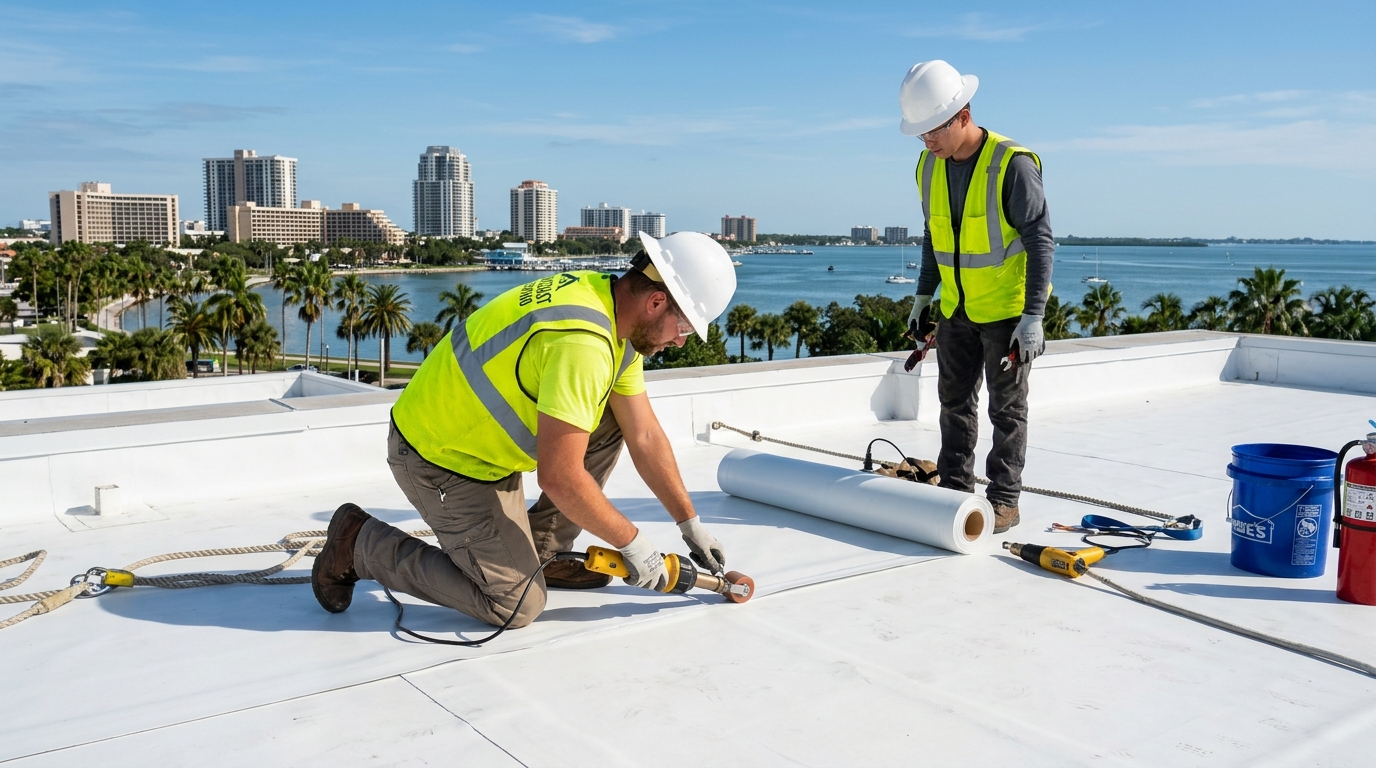
Engineered Waterproofing for Desert Roof Intersections
Chimneys, valley intersections, parapet walls, and roof-to-stucco transitions represent the most hydrostatically vulnerable areas on any Las Vegas residential roof. While concrete tiles shed water efficiently across open slopes, intersections where horizontal roof planes terminate against vertical masonry or stucco walls rely entirely on engineered metal flashing assemblies to redirect runoff. In Southern Nevada's harsh climate - characterized by 115+ degree summer heat, blowing caliche dust, and torrential flash floods - flashing sealants bake and crack, reglet cuts loosen, and drainage valleys choke with hardened desert silt. Our emergency dispatch network connects you with skilled roofing artisans who rebuild compromised flashing systems to permanent architectural standards.
Key Technical Engineering Protocols – Flashing & Chimney Repair
- Rapid Emergency Triage: Direct telephone-to-technician dispatch across all Las Vegas, Henderson, and Clark County zip codes with zero web form delays.
- Non-Destructive Moisture Tracing: Calibrated FLIR infrared thermography and electronic impedance scanners to isolate subterranean leaks without destructive deck tearing.
- High-Temperature Compliance: Full conformance with 2021/2024 International Residential Code (IRC) R905 high-heat underlayment standards (ASTM D1970).
- Licensed Nevada Contractors: Vetted independent roofing professionals carrying verified active Nevada State Contractors Board (NSCB) C-15 licenses.
- Transparent Carrier Documentation: Standardized forensic photo packets, Haag-methodology test square documentation, and Xactimate line-item estimates aligned with insurance adjuster guidelines.
1. Step-Flashing Physics and Interwoven Tile Integration
Step flashing protects sloped roof junctions where tiles meet vertical stucco walls or masonry chimneys. Proper installation requires individual L-shaped pieces of 26-gauge galvanized steel or aluminum interwoven with each successive tile and batten course. In amateur installations, contractors frequently reuse old, corroded metal or attempt to seal joints with cheap silicone caulk alone. Dispatched specialists completely dismantle deteriorated flashing, inspect underlying wood framing for rot, and weave fresh, corrosion-resistant step flashing into every course integrated with self-adhering membranes.
2. Masonry Reglet Counter-Flashing and Desert Thermal Expansion
Stucco and brick chimneys require a two-part flashing assembly consisting of base step flashing covered by separate masonry counter-flashing. The counter-flashing vertical lip must be inserted at least 1.5 inches deep into a saw-cut mortar joint (reglet cut) and secured with lead wedges before being sealed with high-grade polyurethane sealant. Because masonry chimney structures and wooden roof trusses expand and contract at different rates during extreme desert temperature swings, a rigid single-piece flashing bond will tear. Two-part counter-flashing allows independent structural movement without breaking the watertight weather seal.
3. Valley Pan Silt Removal and Hydraulic Drainage Restoration
In the desert environment of Clark County, fine caliche silt washes into closed valley pans, forming dense, hardened sediment dams that block rainwater flow. Dispatched craftsmen utilize industrial vacuum systems and hydro-flushing tools to extract accumulated silt, inspect metal pans for galvanic corrosion, and widen valley cuts to ensure unimpeded runoff during sudden monsoon flash floods.
4. UV-Immune High-Temperature Polyurethane Sealants
Cheap silicone sealants dry out, crack, and fail within two Las Vegas summers due to intense ultraviolet radiation and 175-degree roof surface temperatures. Dispatched contractors utilize premium non-shrink elastomeric polyurethane or polyether moisture-cure sealants engineered to maintain 800% elasticity across extreme temperatures from 20 degrees to 200 degrees Fahrenheit. All metal components are fabricated from heavy-gauge pre-painted aluminum, 26-gauge galvanized G90 steel, or 16-ounce architectural copper, guaranteeing decades of zero-maintenance water shedding.
5. Complete Substrate Dry-Rot Remediation
When chimney or wall flashing leaks go undetected for months, water running down structural studs rots roof decking, ceiling joists, and drywall framing. Dispatched craftsmen do not simply apply cosmetic surface caulking; they perform full forensic extraction of rotted substrate wood, sister new framing members where necessary, install continuous self-adhering ASTM D1970 membranes up vertical wall faces, and deliver a leak-proof restoration guaranteed to withstand Clark County storms.
Need Immediate Assistance with Flashing & Chimney Repair in Las Vegas?
Zero forms, zero waiting. Connect directly with an emergency roof dispatch specialist to route licensed Clark County crews to your property.
CALL NOW: (888) 208-4155Frequently Asked Questions – Flashing & Chimney Repair in Las Vegas
Can you fix my chimney leak by applying roofing tar around the base?
Roofing tar or mastic is a temporary patch that typically fails within weeks in the desert. Solar UV exposure and thermal expansion cause brittle tar to crack, trapping moisture against masonry and accelerating wood rot. Permanent repair requires installing new step flashing and saw-cut counter-flashing embedded into mortar joints.
Why does my roof only leak around the chimney during heavy monsoon downpours?
Short winter drizzles may evaporate before finding tiny flashing micro-voids. However, heavy summer monsoon cloudbursts drop torrential volumes of water that quickly overwhelm unsealed flashing seams or backed-up chimney crickets, driving water directly behind interior walls.
How do I know if my roof leak is coming from the chimney or the tile underlayment?
Dispatched technicians use calibrated FLIR thermal imaging cameras and pinpoint moisture meters inside your attic. Water trailing down chimney masonry, blackened truss lumber, or rusted nail shanks adjacent to the masonry column confirms a flashing failure rather than general field underlayment breakdown.